
Travel to Djibouti
Djibouti sits where the Red Sea meets the Gulf of Aden, linking coastal towns with inland deserts, salt lakes, and volcanic fields. From a base in Djibouti City, travel flows by boat, ferry, or 4×4 to Tadjoura, Obock, and the plateau.
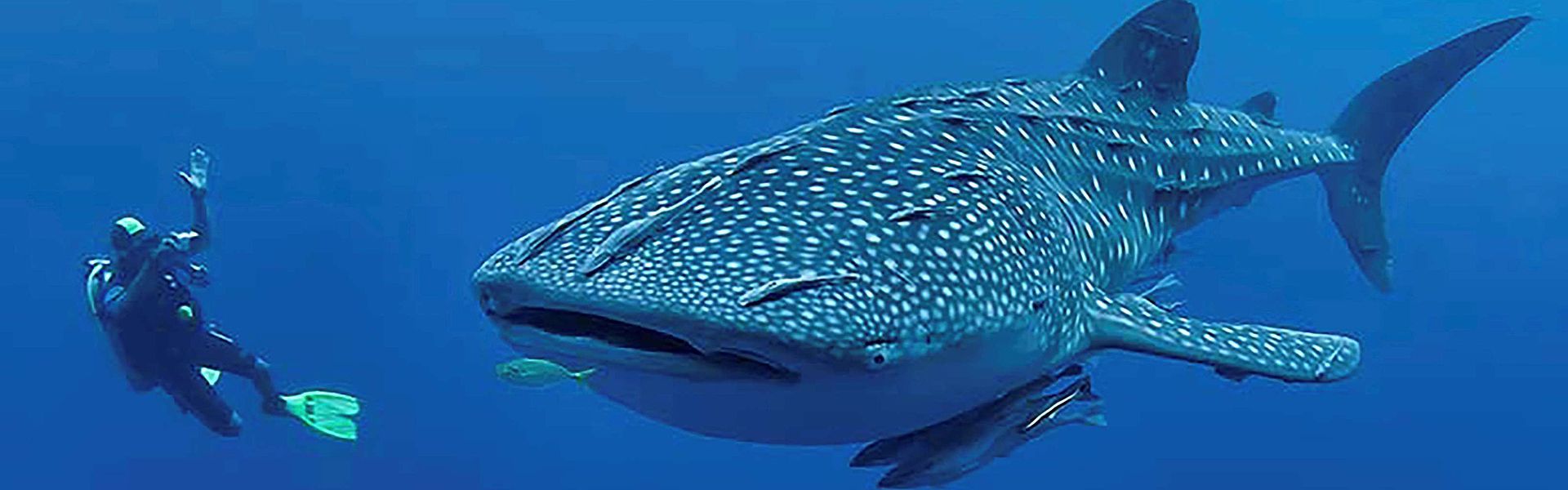
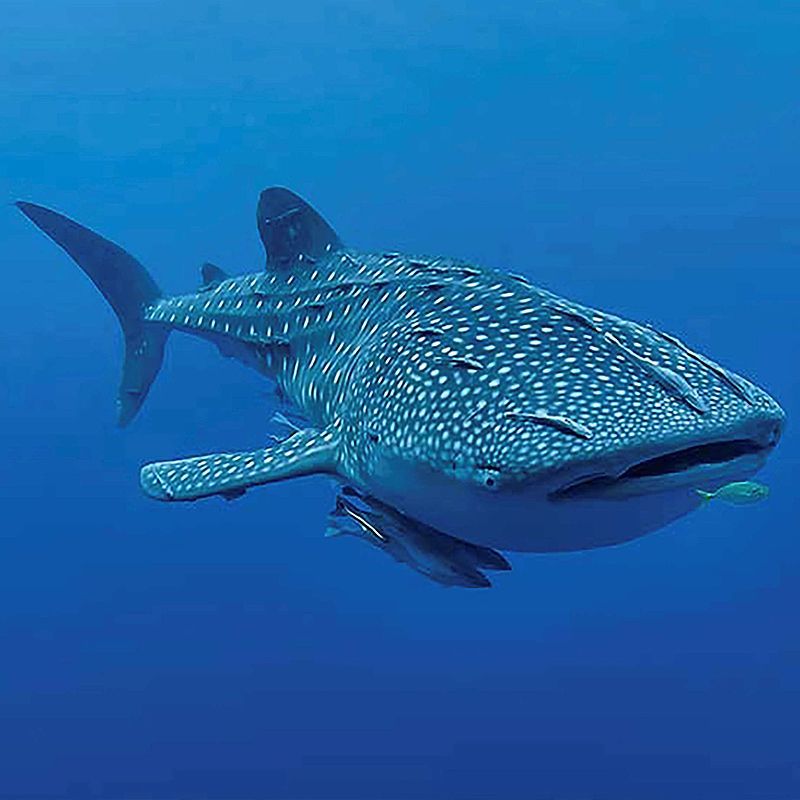
Along the Gulf of Tadjoura and Ghoubbet al-Kharab, divers and snorkelers find reefs and seasonal whale shark encounters, typically October to February. Boats also reach Moucha and Maskali Islands and the Seven Brothers (Sawabi) for coral gardens, channels, and drift routes suitable for varied experience levels.
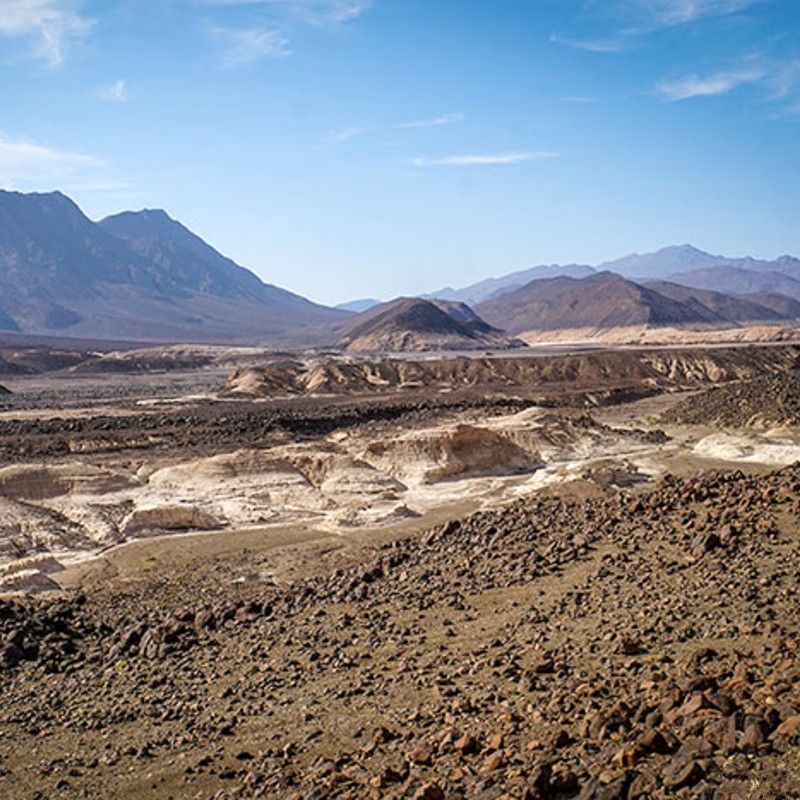
Inland, Lake Assal lies about −155 m relative to sea level, bordered by salt crusts and basalt flows near the Ardoukôba fissure zone. Farther west, Lake Abbé presents limestone chimneys, hot springs, and salt flats that reward early or late light. The Grand Bara and Petit Bara pans offer wide horizons for walking, photography, and, when conditions allow, land sailing.
Cooler highlands in the Goda Massif and Day Forest National Park provide marked trails through juniper stands and viewpoints over the gulf, with birdlife common along gullies. On the north coast, Tadjoura and Obock connect by ferry; town promenades, small mosques, and nearby Plage des Sables Blancs offer easy swimming and shore snorkeling. The Arta area serves as a reliable launch point for whale shark outings and sheltered training dives.
Inspiration Africa organizes Djibouti travel end-to-end: custom routing, expert guides, 4×4 transfers, boats and dive logistics, permits, and lodge or camp bookings. Typical plans range from a 3–4 day city base with day trips to Assal and the islands; to a one-week circuit adding a Lake Abbé overnight and Goda hikes; to longer itineraries that include Seven Brothers diving and time on the Bara flats.
Start planning your tailor-made holiday
Must Visit in Djibouti
Djibouti, the land of Lake Assal, Lake Abbé, and the Gulf of Tadjoura — a crossroads of desert, salt,
and sea offering encounters with whale sharks, volcanic landscapes, and timeless coastal life.
Lake Assal
Located 155 meters below sea level, Lake Assal is a vast shimmering salt pan surrounded by lava fields and rugged black basalt. Its stark white crust and turquoise water create a dramatic natural contrast, accessible via 4×4 from Djibouti City.
Lake Abbé
A remote salt lake marked by limestone chimneys and steaming fumaroles on the border with Ethiopian. The barren landscape, Afar camps, and hot springs make Lake Abbé a striking site for overnight visits, especially at sunrise and sunset.
Gulf of Tadjoura
Framed by desert mountains, the Gulf of Tadjoura offers snorkeling, diving, and seasonal whale shark encounters. Fishing towns, ferry routes, and coral-rich waters define this coastal stretch, making it a central hub for both land and marine exploration.
Ghoubbet al-Kharab
Known as the “Devil’s Cauldron,” this bay connects to the Gulf of Tadjoura through a narrow channel. Surrounded by volcanic cliffs and strong currents, it is popular for diving, whale shark excursions, and coastal viewpoints overlooking the water.
Moucha & Maskali Islands
Two small islands near Djibouti City, reached easily by boat, offering clear tropical waters. Their coral gardens, calm lagoons, and beaches invite snorkeling, diving, and day trips, often combined with picnics and dolphin sightings in surrounding waters.
Seven Brothers (Sawabi Islands)
An offshore archipelago north of the Gulf of Tadjoura, popular with divers for strong currents, drop-offs, and abundant marine life. Liveaboard trips give you access to the islands, offering some of Djibouti’s most dynamic underwater channels and pinnacles.
Grand Bara & Petit Bara
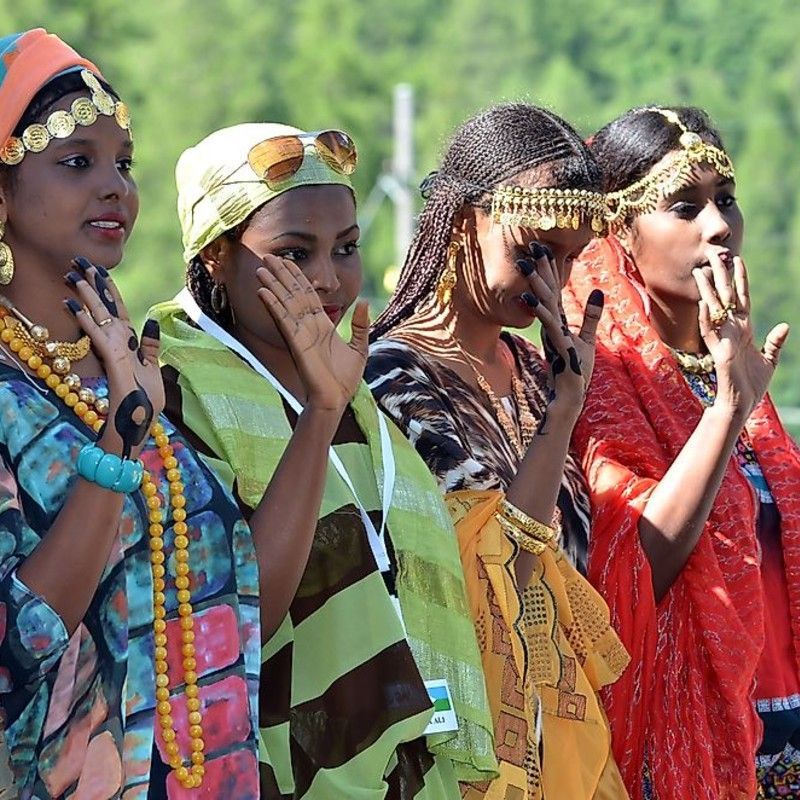
Expansive dry lakebeds south of the capital, known for their flat clay and sand surfaces. These areas host unique plant life after rare rains, and activities such as land sailing, photography, and cultural encounters with nomadic communities.
Day Forest & Goda Massif
A green highland refuge in Djibouti’s north, home to juniper stands and birdlife, and occasional seasonal waterfalls. Trails cross gullies and ridges with expansive gulf views. Cooler temperatures make the area suitable for hiking, village visits, and nature exploration.
Must Do in Djibouti
- Each destination offers its own experiences and here are some "must do" activities to experience in Djibouti!

Best Time to visit Djibouti
Djibouti is best visited in the cooler, drier months from November to March, when daytime heat is manageable for hiking Lake Assal’s ridges, exploring Lake Abbé, and wandering coastal towns. October to February is also peak for whale shark encounters in the Gulf of Tadjoura, with plankton-rich water suiting snorkelers and divers. April and early May can still work for mixed itineraries, though temperatures rise.
June to September is very hot, better for short, well-timed activities—sunrise/sunset photography on the salt flats or island boat trips with long midday breaks. Divers find coral sites workable most of the year; plan around wind and visibility shifts. For cultural travel, consider local festival dates and the timing of Ramadan, which changes annually.
Bear in mind that each season has its own particularities, and that a non-advised season may well correspond perfectly to your specific needs.
Receive our travel inspirations in your mailbox
Djibouti Travel Tips
By default, since we only work on a tailor-made basis, each of our travel projects will always be accompanied by our travel tips on the destinations to be visited. These will of course be adapted to the type of trip envisaged and the reality of the activities and places visited. If you would like general travel advice for Eswatini, please don't hesitate to contact us via the "contact us" button.
Djibouti Combines Well With
Djibouti is compact and well linked by regional and long-haul flights, making it a natural add-on rather than a standalone epic.
It pairs neatly with desert, culture, and reef destinations nearby or along common flight routes.