
Travel to Ethiopia
Ethiopia is a country where landscapes, history, and culture meet in striking variety. Travelers encounter soaring highlands, deep rift valleys, vast lakes, and desert expanses, creating a journey that shifts from one environment to another within a single trip.
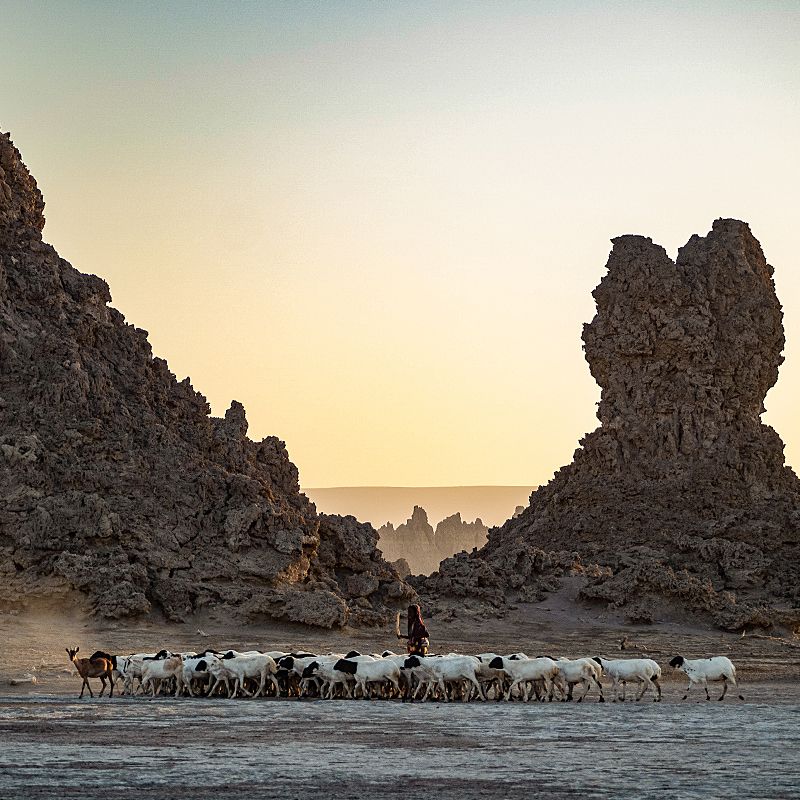
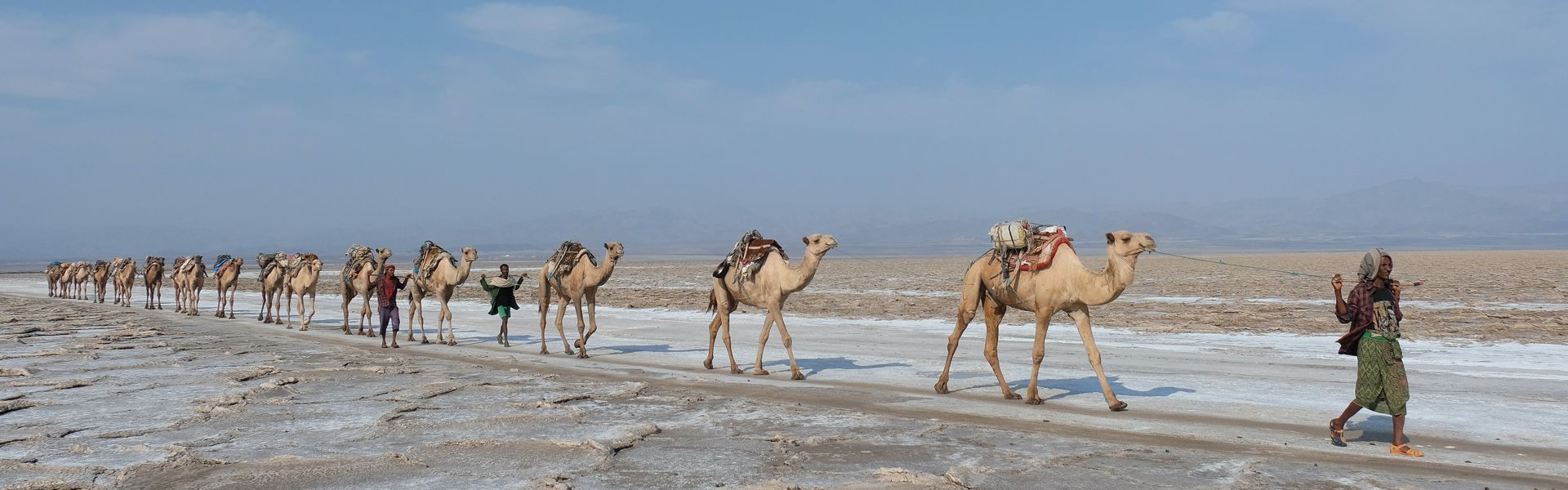
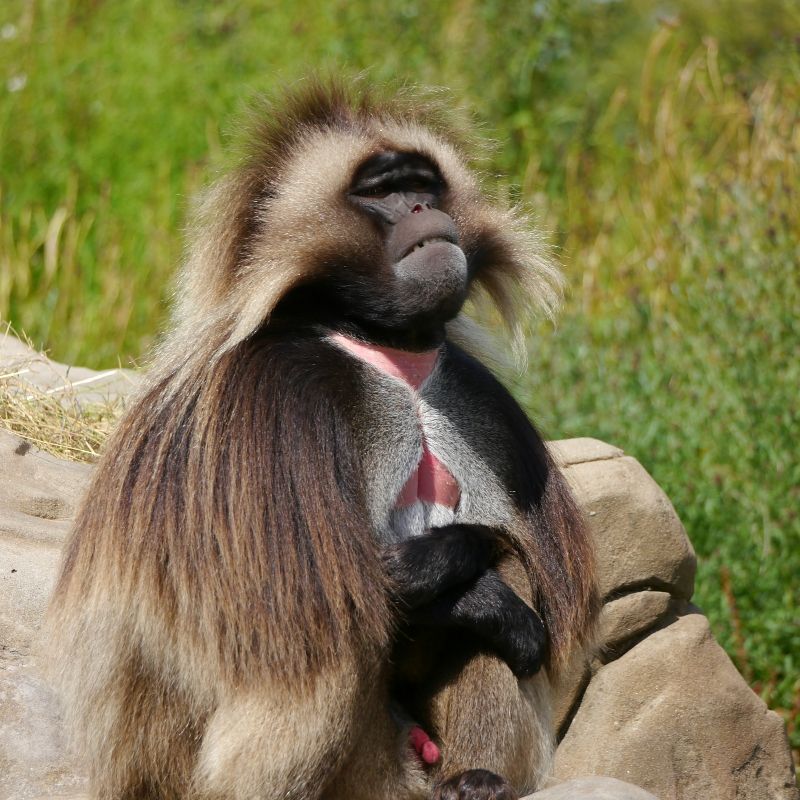
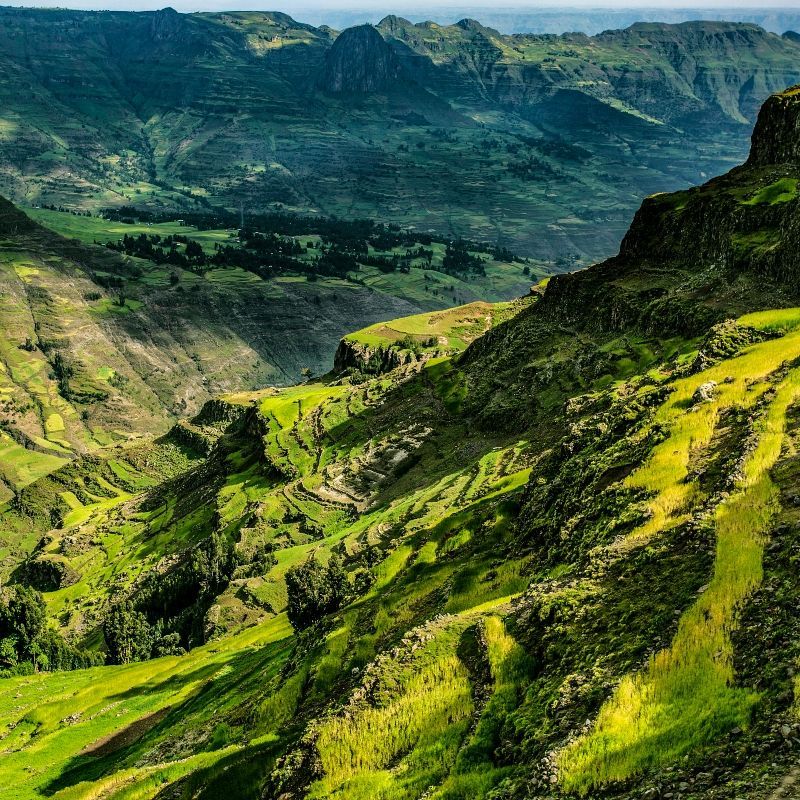
In the north, the Simien Mountains rise with escarpments and plateaus that attract hikers and wildlife enthusiasts. Endemic species such as the gelada monkey and the Ethiopian wolf can be seen here, while trails lead across valleys and remote villages. Further east, the Danakil Depression reveals a contrasting environment with salt flats, active volcanoes, and colorful sulfur springs. This is also where camel caravans continue the centuries-old practice of transporting salt across the desert.
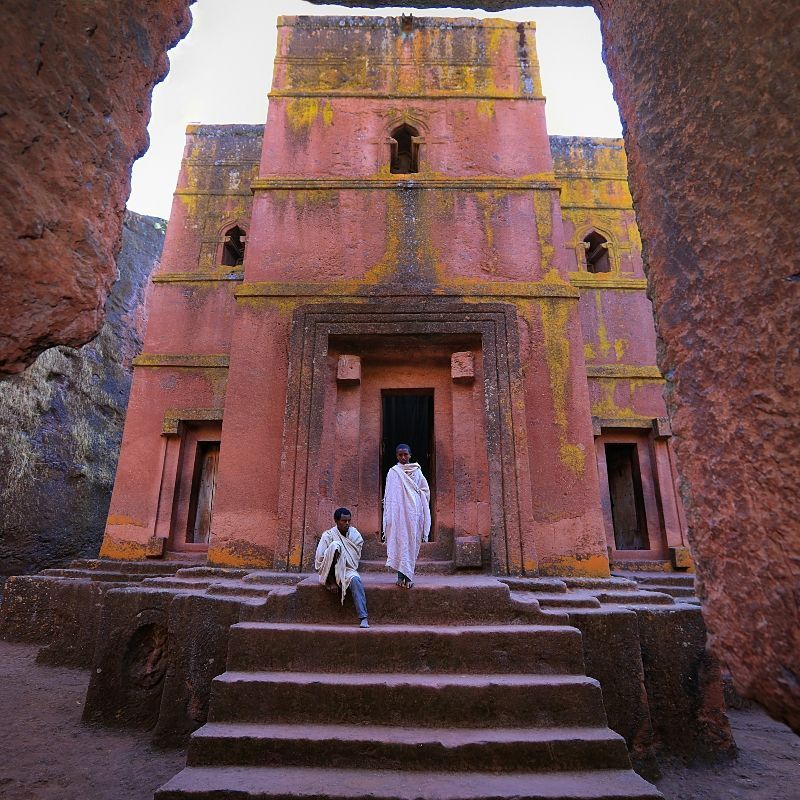
Ethiopia’s cultural and historical heritage is reflected in its ancient cities. Lalibela is home to a remarkable network of rock-hewn churches carved into the earth and still in use today. Axum, once the center of the Aksumite Empire, preserves monumental obelisks, royal tombs, and religious sites of deep importance. Gondar adds another chapter with its stone castles, palaces, and richly decorated churches, recalling its time as a royal capital.
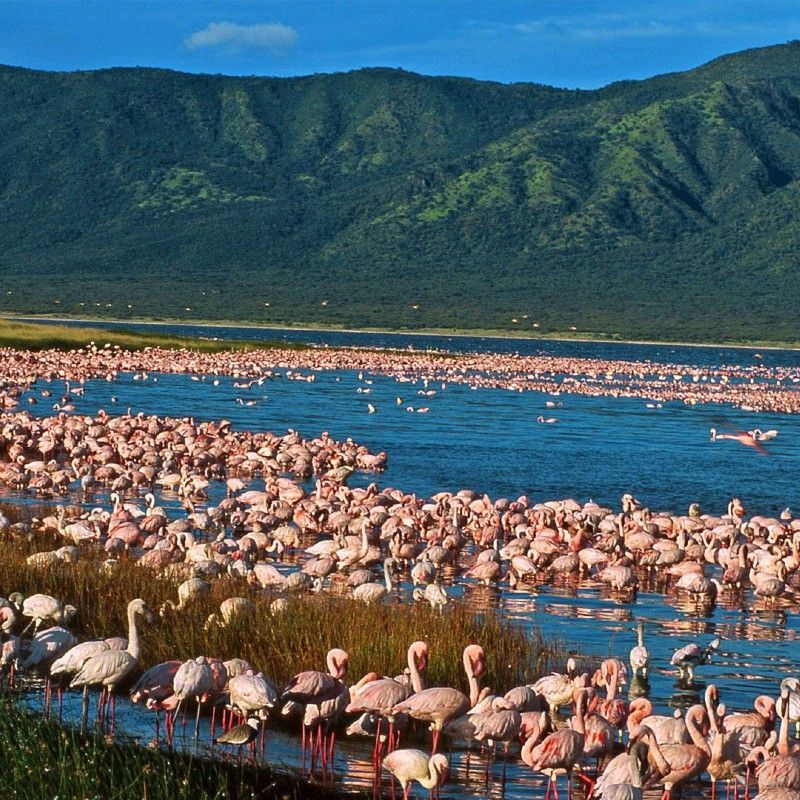
South of Addis Ababa, the Omo Valley introduces visitors to diverse communities with distinct languages, traditions, and ways of life. To the east, the walled city of Harar reveals a labyrinth of alleyways and centuries of Islamic learning and trade. Ethiopia’s lakes also play a defining role: Lake Tana, source of the Blue Nile, is scattered with monastic islands, while the nearby Blue Nile Falls attract travelers during the rainy season. The Rift Valley lakes, including Ziway and Awassa, are habitats for birdlife and accessible for exploration.
Addis Ababa, the modern gateway, connects all of these journeys. The capital hosts the National Museum, where the fossil “Lucy” is displayed alongside artistic and cultural collections, and serves as the headquarters of the African Union. Inspiration Africa creates tailored itineraries that link these highlights into meaningful journeys, ensuring that travelers experience Ethiopia’s landscapes, wildlife, and living traditions in ways that are both immersive and memorable.
Start planning your tailor-made safari holiday
Must Visit in Ethiopia
Ethiopia, the land of the Simien Mountains, the Danakil Depression, and Lalibela.
Where landscapes and history create journeys like no other
Simien Mountains National Park
Rugged escarpments, valleys, and plateaus create a dramatic setting for trekking. The park shelters endemic species like gelada monkeys and Ethiopian wolves. Trails pass through villages, offering travelers encounters with both wildlife and highland communities
Lalibela
Famed for its 12th-century rock-hewn churches, Lalibela remains an active center of worship. The interconnected passages, courtyards, and sanctuaries carved into the ground give insight into Ethiopia’s history and religious traditions, making it a core destination
Axum
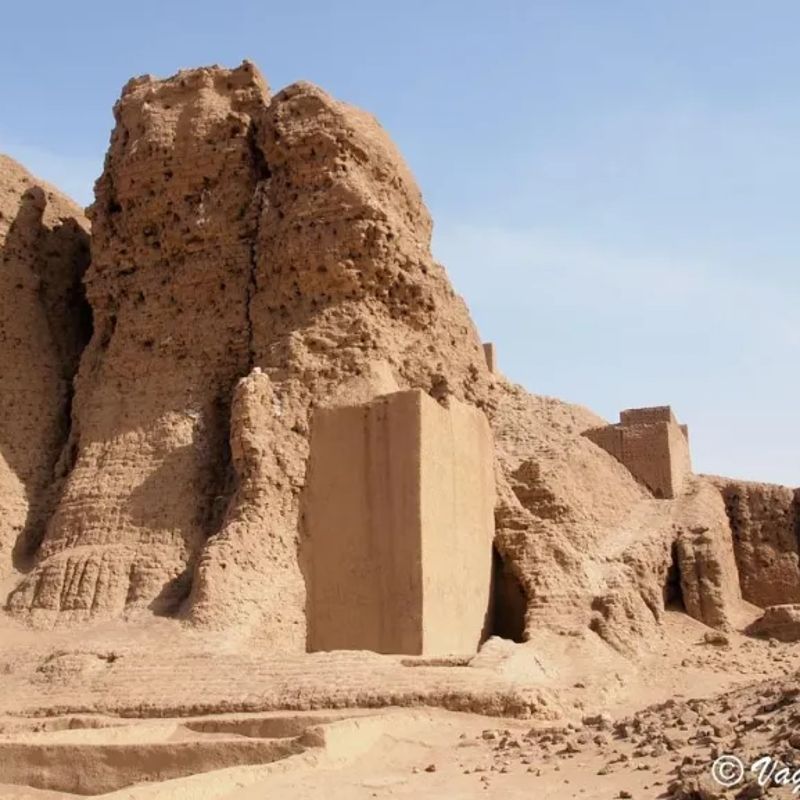
Once the capital of the Aksumite Empire, Axum preserves ancient obelisks, royal tombs, and archaeological remains. The town is also home to the Church of St. Mary of Zion, linked to strong religious traditions that continue to attract pilgrims.
Gondar
Ethiopia’s former imperial capital, Gondar is known for its stone castles and palaces built during the 17th century. Debre Berhan Selassie Church, with its painted interior, adds further cultural interest to this city at the crossroads of history and art.
Danakil Depression
Among the lowest points on the continent, the Danakil offers landscapes shaped by salt flats, volcanic activity, and sulfur springs. Camel caravans transporting salt connect travelers to centuries-old traditions in one of Ethiopia’s striking environments.
Lake Tana and Blue Nile Falls
Lake Tana, source of the Blue Nile, holds monastic islands preserving manuscripts and artworks. A short distance away, the Blue Nile Falls provide a dramatic spectacle during the rainy season, combining natural beauty with Ethiopia’s cultural heritage.
Harar Jugol
Surrounded by ancient walls, Harar is a center of Islamic scholarship and trade heritage. Its narrow alleyways, vibrant markets, and traditional houses create a setting where travelers can explore centuries of cultural exchange across the Horn of Africa.
Omo Valley
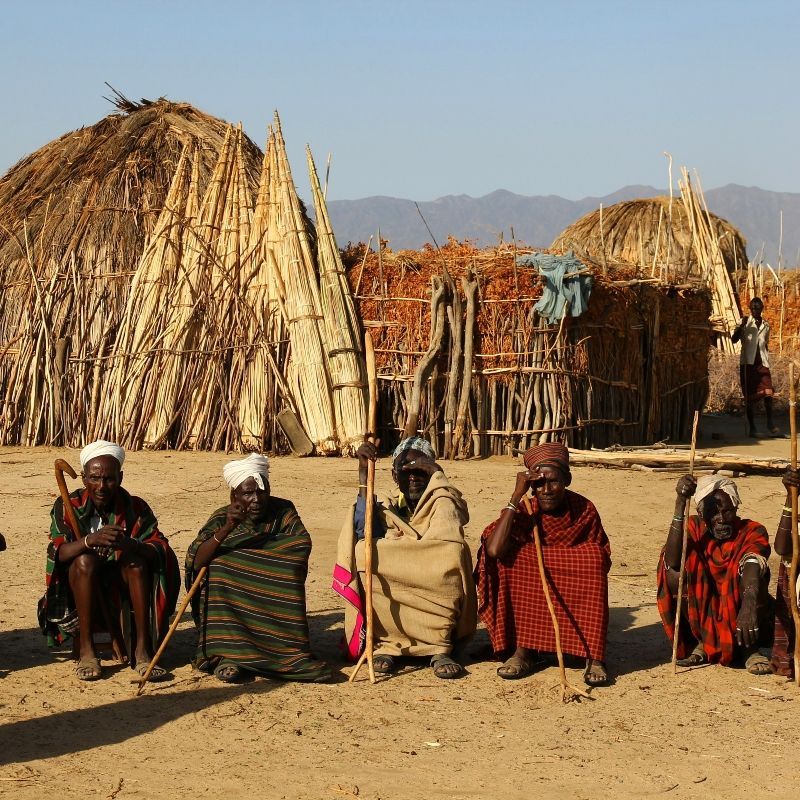
The Omo Valley introduces visitors to diverse communities with distinct traditions and languages. Encounters here focus on learning about local practices, ceremonies, and ways of life, offering insight into the cultural richness of Ethiopia’s southern regions.
Bale Mountains National Park
This highland park shelters rare wildlife such as the Ethiopian wolf and mountain nyala. Its diverse habitats include afro-alpine plateaus, forests, and wetlands, attracting both trekkers and naturalists interested in unique ecosystems and birdlife.
Addis Ababa
Ethiopia’s capital is the country’s main gateway, home to the National Museum with the fossil “Lucy,” as well as ethnographic and artistic collections. Addis also hosts the African Union headquarters and provides a starting point for exploring the country.
Ethiopia in Video
Nothing documents a destination better than a short video and that applies to Esthiopia as well.
Take a look at our Inspiration Africa YouTube Channel where you will find many travel related videos about Africa; don't forget to SUBSCRIBE to be kept up to date with new posts.
Must Do in Ethiopia
Each destination offers its own experiences and here are some "must do" activities to experience in Ethiopia!
Best Time to visit Ethiopia
Ethiopia can be visited year-round, though the best time depends on the regions and interests. The dry season, from October to May, is ideal for most travel. During these months, clear skies and pleasant temperatures make conditions perfect for trekking in the Simien and Bale Mountains, exploring the rock-hewn churches of Lalibela, and visiting cultural sites across the north.
The rainy season, from June to September, brings lush landscapes and fewer visitors, offering photographers and nature lovers a fresh perspective — especially around the highlands and Rift Valley. In southern Ethiopia, including the Omo Valley, light rains may fall earlier, but cultural visits remain rewarding throughout much of the year.
Bear in mind that each season has its own particularities, and that a non-advised season may well correspond perfectly to your specific needs.
Receive our travel inspirations in your mailbox
Ethiopia Travel Tips
By default, since we only work on a tailor-made basis, each of our travel projects will always be accompanied by our travel tips on the destinations to be visited. These will of course be adapted to the type of trip envisaged and the reality of the activities and places visited. If you would like general travel advice for Ethiopia, please don't hesitate to contact us via the "contact us" button.
Ethiopia Combines Well With
Ethiopia is a distinct and self-contained destination, yet it combines well with several neighboring countries
for travelers seeking a broader East African journey.