
Climb Kilimanjaro
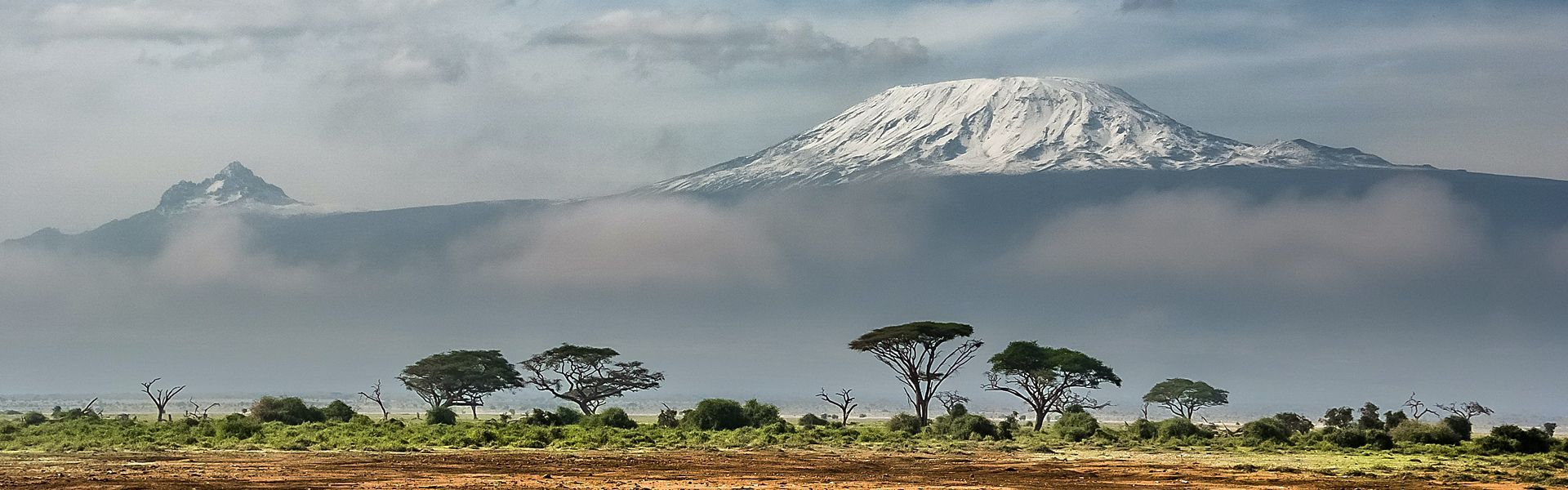
Mount Kilimanjaro, rising to 5,895 meters above sea level, is the highest mountain in Africa and one of the world’s most iconic trekking destinations. Located in northern Tanzania, this dormant volcanic peak attracts travelers from around the globe who come to experience its remarkable landscapes, physical challenge, and sense of achievement. Climbing Kilimanjaro is not only an adventure—it is a journey through some of Africa’s most striking natural environments.
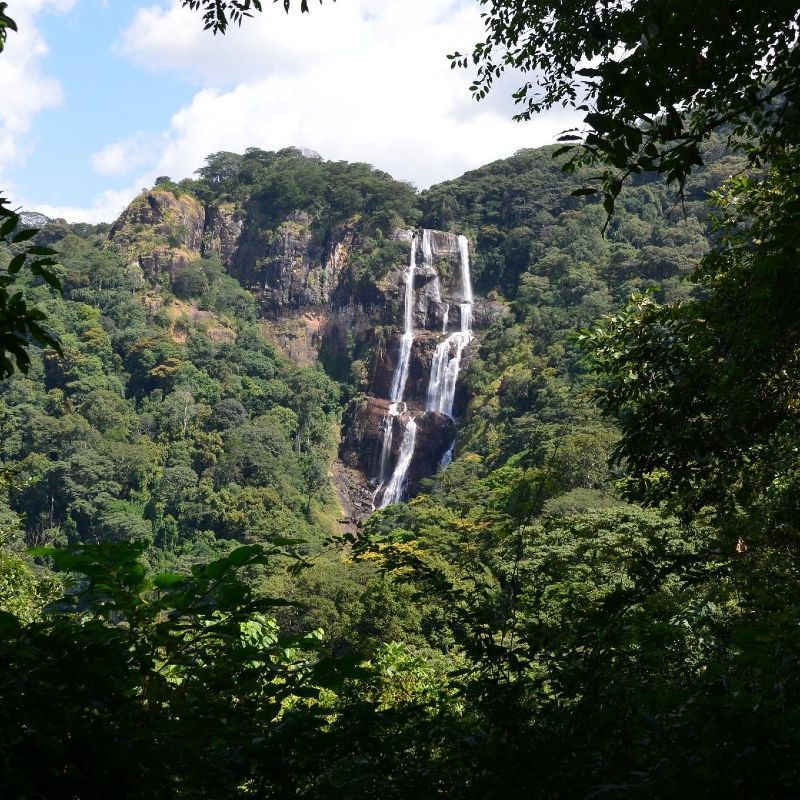
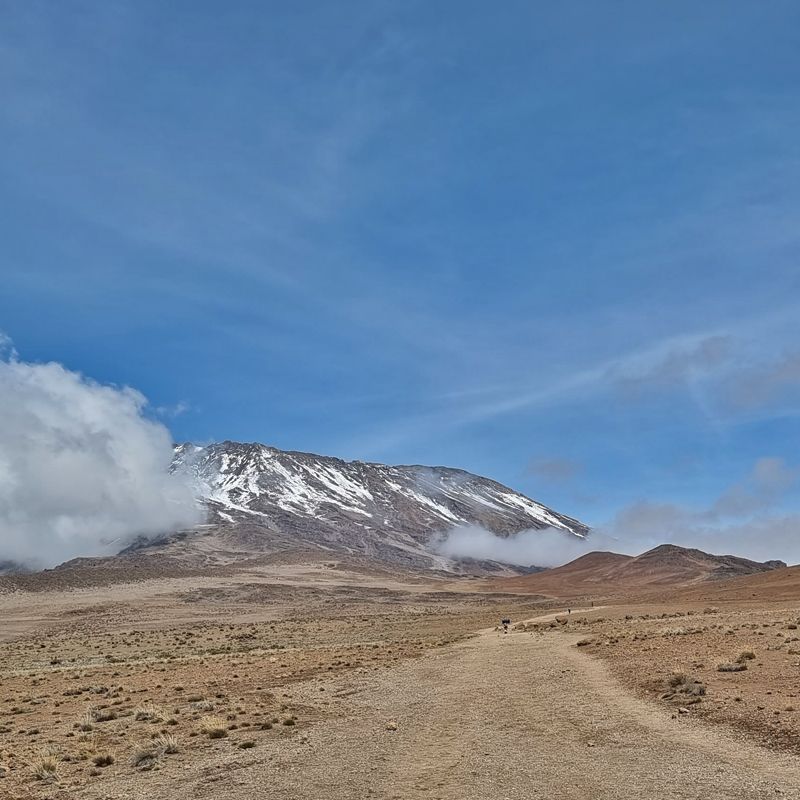
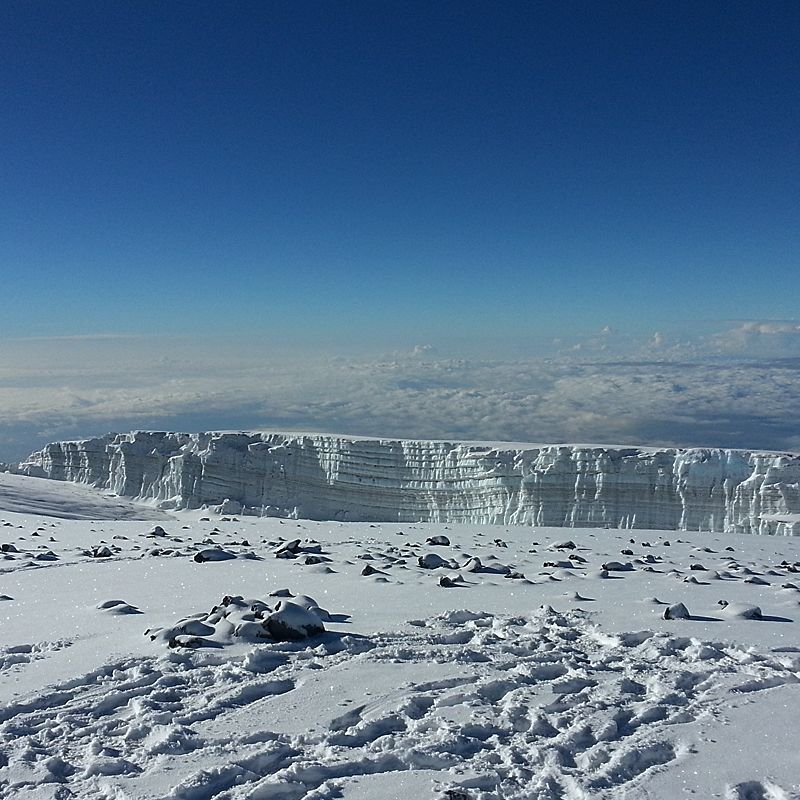
The mountain is known for its extraordinary diversity of ecosystems. Trekkers pass through lush rainforest alive with birds and monkeys, heath and moorland dotted with giant lobelias, alpine desert shaped by volcanic rock, and finally the glacier-lined summit zone where Uhuru Peak stands above the clouds. Each route offers a different perspective of the mountain, with varying scenery, pace, and levels of challenge.
Kilimanjaro is accessible to both experienced hikers and determined first-time trekkers, thanks to a range of carefully planned routes and the support of experienced mountain guides and trekking crews. The climb is not technical, but reaching the summit requires endurance, preparation, and time to acclimatize to the altitude. Along the way, climbers are rewarded with sweeping views, unforgettable sunrises, and a profound sense of connection to the mountain and its surroundings.
Beyond the climb itself, Kilimanjaro holds cultural and symbolic significance for the people who live in its shadow. Local communities, traditions, and stories add depth to the experience, making the journey feel as meaningful as the destination. Whether seeking adventure, personal accomplishment, or a deeper connection with nature, Mount Kilimanjaro offers one of Africa’s most inspiring and unforgettable experiences.
Start planning your tailor-made safari holiday
Climbing routes in Kilimanjaro
Climbing Kilimanjaro, Africa’s highest peak, is a journey through ever-changing landscapes,
challenging trails, and unforgettable moments above the clouds.
Machame Route
One of the most popular routes on
Mount Kilimanjaro, the Machame Route is known for its scenic beauty and excellent acclimatization profile. Often called the “Whiskey Route,” it takes climbers through rainforest, moorland, alpine desert, and glacier landscapes before reaching Uhuru Peak. The route is favored for its dramatic views, varied terrain, and high summit success rates.
Marangu Route
One of the oldest and most established paths on Mount Kilimanjaro, the Marangu Route is the only route that offers hut accommodation instead of camping. It passes through lush rainforest, moorland, and alpine landscapes before reaching Uhuru Peak, offering a gradual ascent and a comfortable trekking experience for climbers seeking a more traditional approach to the mountain.
Lemosho Route
Approaching Mount Kilimanjaro from the western side, the Lemosho Route is known for its remote wilderness, varied scenery, and excellent acclimatization profile. The trail passes through rainforest, moorland, and alpine desert landscapes before joining the southern slopes toward the summit. It is considered one of the most scenic and successful routes on the mountain, offering quieter trails and spectacular panoramic views.
Rongai Route
Approaching Mount Kilimanjaro from the northern side near the Kenyan border, the Rongai Route is known for its quieter trails and drier conditions. The route passes through remote wilderness, alpine landscapes, and sparse moorland before reaching the summit. It is a popular option for climbers seeking a less crowded experience and a gradual ascent with wide-ranging views of the mountain’s northern slopes.
Northern Circuit Route
The Northern Circuit Route is the longest and one of the most remote routes on Mount Kilimanjaro, offering excellent acclimatization and some of the highest summit success rates. Circling the quieter northern slopes of the mountain, the route passes through rainforest, moorland, and alpine desert landscapes while providing expansive panoramic views. Its extended itinerary allows for a gradual ascent and a more immersive trekking experience.
Shira Route
Starting on the western side of Mount Kilimanjaro, the Shira Route is known for its dramatic scenery and high-altitude landscapes. The trail crosses the expansive Shira Plateau before joining the southern routes toward the summit, offering sweeping views, volcanic terrain, and diverse ecosystems along the way. Its remote setting and scenic approach make it a rewarding option for experienced trekkers.
Umbwe Route
The Umbwe Route is the steepest and most direct route on Mount Kilimanjaro, known for its challenging ascent and remote atmosphere. The trail climbs quickly through dense rainforest before reaching rugged ridges and alpine landscapes on the southern slopes of the mountain. Favored by experienced trekkers, the route offers dramatic scenery, quieter trails, and a more demanding trekking experience.
Mweka Route
The Mweka Route is primarily used as the descent path on Mount Kilimanjaro, offering a direct and efficient way down the mountain after reaching the summit. The trail passes through lush rainforest on the southern slopes, providing a final opportunity to experience Kilimanjaro’s rich biodiversity and changing ecosystems. It is not typically used for ascent and serves as the standard route for completing most Kilimanjaro climbs.
Climatic Vegetation Zones of Mount Kilimanjaro
As you ascend Mount Kilimanjaro, you will find different climatic zones, offering a beautiful variety of breathtaking landscapes

Best Time to climb Mount Kilimanjaro
The best time to climb Mount Kilimanjaro largely depends on weather conditions and the type of trekking experience you are looking for. The driest and most popular periods are from January to March and from June to October, when clearer skies, lower rainfall, and more stable trail conditions provide excellent climbing conditions. These months also offer some of the best summit views and photographic opportunities.
January to March is generally quieter and slightly colder, with occasional snow near the summit adding to the mountain’s dramatic scenery. June to October is the busiest climbing season, attracting trekkers from around the world thanks to its dry weather and comfortable daytime temperatures.
The rainy seasons, from April to May and again in November, bring wetter trails, misty conditions, and reduced visibility, particularly in the rainforest zones. However, these periods can also offer a more peaceful trekking experience with fewer climbers on the mountain and greener, more vibrant landscapes.
Bear in mind that weather on Kilimanjaro can be unpredictable at any time of year, and conditions vary greatly depending on altitude. Each season offers its own atmosphere and advantages, and a less conventional climbing period may still be perfectly suited to your preferences and trekking goals.
Receive our travel inspirations in your mailbox
Kilimanjaro Travel Tips
By default, since we only work on a tailor-made basis, each of our travel projects will always be accompanied by our travel tips on the destinations to be visited. These will of course be adapted to the type of climb envisaged and the reality of the route to be used. If you would like general travel advice for Kilimanjaro, please don't hesitate to contact us via the "contact us" button.
Kilimanjaro Combines Well With
Kilimanjaro combines well with several neighbouring countries and other destinations in Tanzania, offering varied travel experiences across East Africa. Each combination offers unique contrasts in landscapes, wildlife, and cultural experiences. For example:.